

Self-storage Vs Container Storage
Self-storage Vs Container Storage, When it comes to storage for your personal or business items in the UK, you generally have two options – self-storage units/rooms or container storage.
In this guide, we look at the features of the two storage options, their pros and cons and the difference in cost.
WHAT’S THE DIFFERENCE BETWEEN SELF-STORAGE AND CONTAINER STORAGE?
The key differences are access, cost, range of unit sizes and how you move your items in and out of storage.
Typically, self-storage companies offer:
- Instant access during opening hours
- Arrange your delivery and collection of items
- Premium pricing due to access
- Extensive range of unit sizes
- Secured using your own padlock/key code
Most container storage companies offer:
- Access by prior arrangement only
- Optional collection and delivery of items
- Lower costs
- Rent as many containers as you need
- Typical units are 250 cubic feet (37 square feet) of wooden or 20′ steel container
WHAT IS SELF-STORAGE?
Technically, ‘self storage’ is the rental of a storage space that you load, unload and manage access to yourself.
The most common type of self-storage facility is a dedicated building or outdoor space filled and separated into individual storage rooms of varying sizes, sometimes over several floors. Typically, self-storage facilities have the following features
Features of Self-Storage Facilities
- Instant access during opening hours
- Arrange your delivery and collection of items
- Premium pricing due to access
- Extensive range of unit sizes
- Secured using your own padlock/key code
Self-storage container access
You can normally access your unit freely during opening hours. Typically, self-storage facilities open 7 days a week, some 24 hours a day. This makes self-storage a good option if you need frequent and unplanned immediate access to your items.
Moving items into self-storage units
You’ll have to arrange delivery of items and loading into your container yourself, and the same when you want all/any items back out of storage. Some facilities have partnerships with van rental providers or man and van services that you can hire to help you do this; otherwise, you can normally drive your own vehicle to the loading area or use a moving company.
Loading areas are often open access for all customers, so it’s worth noting quieter times of day to access if you want to avoid the crowds and make it easier to load/unload.
Size of Storage Units and Types
The size of storage rooms/units varies depending on the facility; typically, these are measured in square feet and range from a single locker to upwards of 250 square feet (double garage).
Some facilities even offer climate-controlled storage, office spaces or rooms you can use as workspaces.
Security of self-storage facilities
Most self-storage facilities are very secure, covered by CCTV (always check), with staff on site at all times. Where sites are not manned, you may need an access code to enter. Your room or unit is normally secured with a padlock and key or keypad access. It’s always important to check that the security of the facility you’re considering meets these standards.
WHAT IS CONTAINER STORAGE?
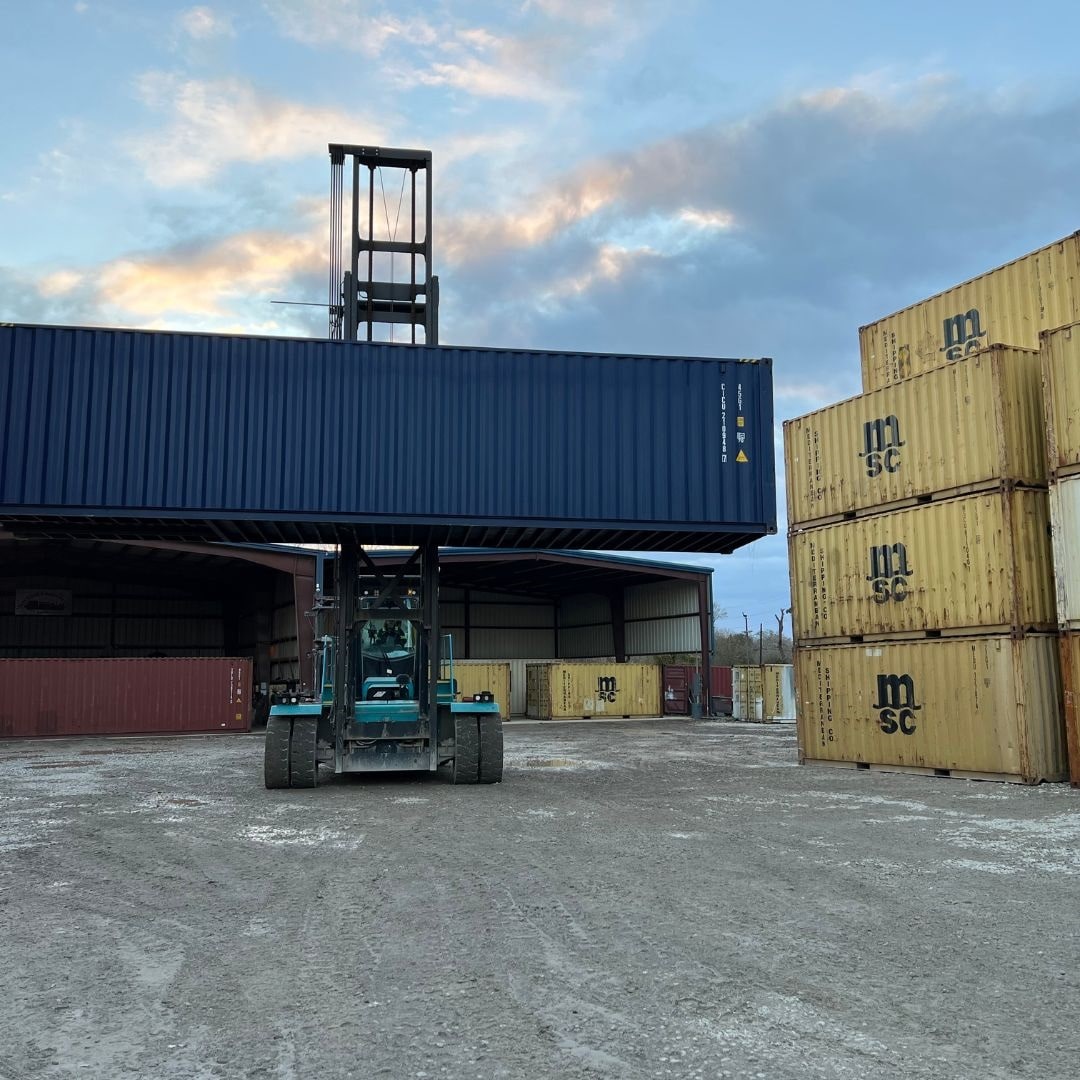
Container storage is where your items are stored in an individual wooden container (or multiple containers) inside a warehouse, OR large 20ft steel containers in a secure compound. These are often operated by removal companies, as storage and home moves often go hand in hand.
Container storage companies typically offer storage with collection and delivery, but some also offer self-storage services using containers.
Features of Container Storage Facilities
- Access by prior arrangement only
- Optional collection and delivery of items
- Lower cost
- Rent as many containers as you need
- Typical units are 250 cubic feet of wooden or 20′ steel container
Access to Container Storage Warehouses
Access is usually by prior arrangement only, typically at least 24 hours. This allows the warehouse operators to bring your container to a safe viewing area for you to access your items. If you don’t need frequent or unplanned immediate access to your items, this is usually fine for most customers.
Moving items into Container Storage
Some container storage warehouses only offer a collection and delivery service, while others offer a hybrid service where you can bring your items in.
Collection and delivery services: Most container storage facilities are operated by Removal Companies, meaning they also offer a professional collection and delivery service. This can be helpful if you’re moving lots of items into a store, or if you have anything heavy or awkward to lift.
Self-store containers: As with self-storage facilities, many container storage warehouses also offer a hybrid service – self-storage in containers. They will allow you to bring your items in and load them into your container yourself. Your container will usually be placed in a safe loading area, and you’ll be able to park right next to it for easy loading without long walks, tight elevators or narrow corridors to navigate.
Security of Container Storage Warehouses
Once your container is safely inside the warehouse, no one other than the warehouse staff has access. Typically, containers are locked with a padlock and warehouses are secured using alarm systems, with many also having 24-hour CCTV, making container storage a very secure method of storage.
Size of Storage Containers and Types
Wooden containers: Standard-size wooden containers are roughly the size of a small garden shed. w: (1.6m x d: 2.2m x h: 2.4m). They are around 37 square feet in size and can hold approximately 250 cubic feet of items.
COSTS OF SELF-STORAGE VS. CONTAINER STORAGE
In a recent market research study, we identified that container storage can be up to 70% cheaper than self-storage units (based on a single container after any offer period). This is usually because you don’t pay for the convenience of frequent unplanned access that self-storage facilities are designed for.
